Introduction
In the vast digital landscape, your website is often the first impression potential customers have of your brand. It’s like that crucial first handshake—it can set the tone for your entire relationship. But what exactly makes a website effective? What are the essential elements of effective web design you can't ignore if you want to capture attention and drive conversions? This article explores those vital components in detail, ensuring that by the end, you’ll not only understand web design but also how it synergizes with your overall digital marketing strategy.
Essential Elements of Effective Web Design You Can't Ignore
When we talk about effective web design, we're diving into a world where aesthetics meets functionality. A great website doesn't just look good; it works hard to fulfill its purpose—be it attracting visitors, providing information, or driving sales. So, let’s break down the essential elements.
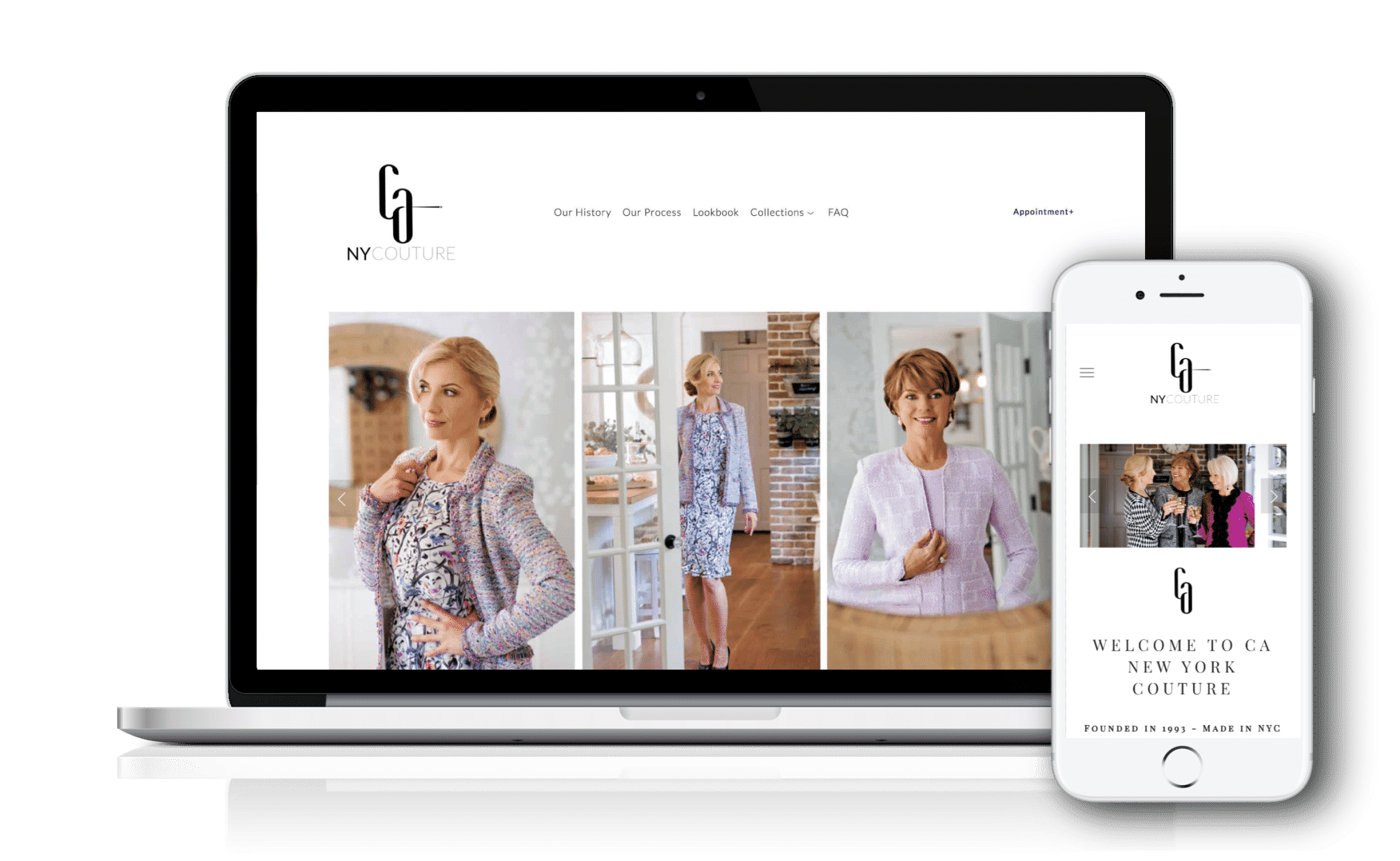
1. User-Centric Design: The Heartbeat of Your Website
User-centric design focuses on putting the user’s needs at the forefront of your web design strategy. Why is this critical? Because if users don’t find what they’re looking for easily and quickly, they’ll bounce faster than you can say “conversion rate optimization.”
- Intuitive Navigation: Ensure that users can navigate through your site without scratching their heads. A clear menu structure and logical pathways lead to better user experiences. Accessible Content: Make sure your text is legible and content is formatted well. Use headings, bullet points, and images effectively.
2. Visual Hierarchy: Guiding User Attention
Visual hierarchy involves arranging elements on a page to show their importance. By https://www.radiantelephant.com Web Design Company Massachusetts guiding users’ eyes where you want them to go, you're enhancing user experience significantly.
- Font Sizes: Use larger fonts for headings and smaller sizes for body text. Color Contrast: Make sure there’s enough contrast between background and text colors so users don’t have to strain their eyes.
3. Responsive Web Design: Adapting to All Devices
With mobile traffic accounting for more than half of all web traffic today, responsive web design has become a necessity rather than an option.
- Fluid Grids: Use fluid grids that adapt seamlessly across devices. Media Queries: Implement CSS media queries to adjust styles based on device characteristics.
4. Speed Optimization: How Fast Is Too Slow?
Did you know that 53% of mobile site visits are abandoned if pages take longer than three seconds to load? That’s a startling statistic!
- Image Optimization: Compress images without losing quality. Minifying Code: Remove unnecessary characters from HTML/CSS/JavaScript files to reduce load times.
5. SEO Best Practices: Making Your Site Discoverable
Search Engine Optimization (SEO) isn’t just some magical formula; it’s an art that requires strategic planning within your web design process.
- Keyword Placement: Incorporate relevant keywords naturally within your content. Meta Tags: Don’t forget about titles and descriptions—they're essential for search engines!
6. Content Strategy: Quality Over Quantity
Content is king—this phrase gets thrown around a lot in digital marketing circles for a reason. High-quality content attracts visitors and keeps them engaged.
- Blogging Regularly: Regularly updated blogs can improve rankings on Google. Multimedia Content: Incorporate videos or infographics to convey messages better.
7. Call-to-Actions (CTAs): Directing User Behavior
Ever been stuck in a maze with no exit? That’s how users feel when they land on a website without clear CTAs guiding them toward desired actions.
- Strategic Placement: Place CTAs at various points in your content. Action-Oriented Language: Use action verbs like "Sign Up" or "Get Started" for better engagement.
8. Color Psychology: Using Colors Wisely
Colors evoke emotions—this isn’t just marketing fluff; it’s science! Understanding color psychology can significantly affect how users perceive your brand.
- Brand Colors: Stick with colors that reflect your brand identity. Emotional Triggers: Use specific colors strategically—for instance, blue conveys trust while red creates urgency.
9. Typography Matters: Fonts and Readability
Choosing the right font isn’t as simple as picking something pretty; readability should be your primary concern here.
- Font Pairing: Combine fonts wisely—think headers versus body text! Line Spacing & Length: Keep lines spaced well; too much text cramped together can deter readers.
FAQs
1. What is web design?

2. Why is responsive design important?
Responsive design ensures that users have a seamless experience regardless of whether they're using a desktop or mobile device.
3. How do I improve my site's SEO?
Improving SEO involves optimizing content with keywords, improving site speed, ensuring mobile compatibility, and building backlinks among other strategies.
4. What role does color play in web design?
Color plays a crucial role in influencing user emotions and perceptions about brands; it's important to choose colors thoughtfully according to psychological principles.

5. What are CTAs in web design?
Call-to-Actions (CTAs) are prompts on your website encouraging users to take digital marketing specific actions like signing up for newsletters or making purchases.
6. How does content affect website conversions?
High-quality content engages users longer which increases the likelihood they'll convert into paying customers or leads when paired with effective CTAs.
Conclusion
Creating an effective web presence isn't just about throwing together some graphics and slapping on some text; it's about crafting an experience that's user-friendly while aligning perfectly with overarching goals in digital marketing strategy like increasing website conversions or enhancing local SEO practices such as Google Maps SEO strategies.
Your website serves multiple functions—it's an online portfolio showcasing what you offer while also being a fundamental element of your SEO strategy aimed at elevating visibility in search engines! By incorporating these essential elements of effective web design you can't ignore into every aspect—from layout and navigation down to SEO considerations—you'll not only make sure visitors enjoy their time spent on-site but will likely encourage them to become loyal customers too!